
Understand What Your Dog Means to Say
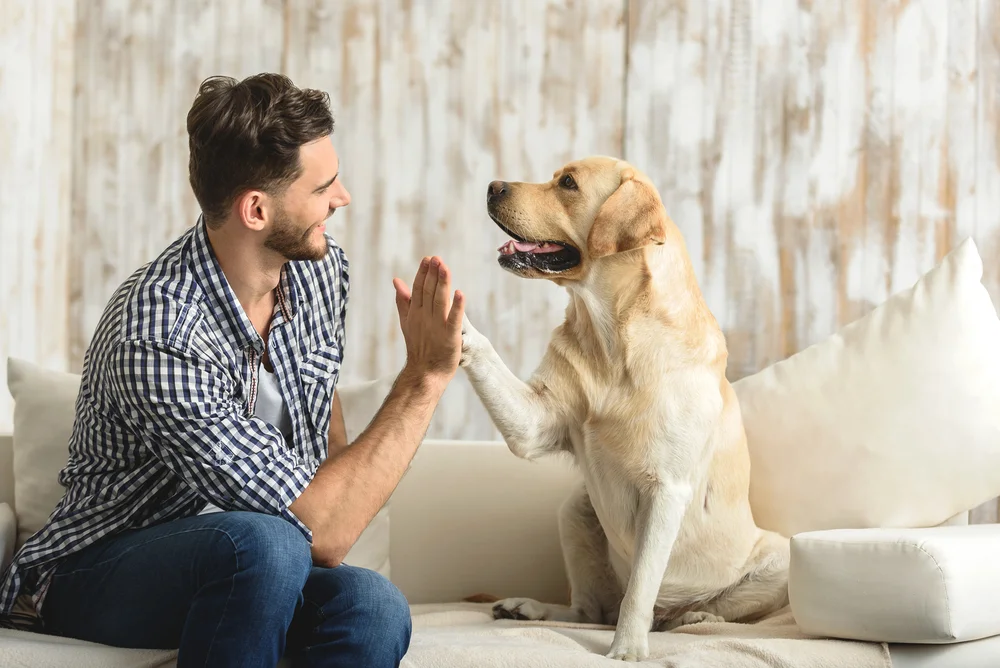
Given the fact that dogs can’t talk with us, it is only by using their movement and their noises that we gather what they mean to say. Dogs tell us through actions like wagging tails or exposing their tummies. Designer dog kennels are perfect for your home and for your dog when he’s feeling anxious and needs his own space. Learn about its behavioral signals well.
Dogs communicate with a complex body signal language which reflects what they think and feel. They consciously and instinctively use signals to communicate intentions of others and to assure their safety.
Understanding Dogs’ Body Language
In any other body and vocal language the dog transmits, any other signal that is shown by a portion of the dog's body can always be interpreted. In different situations the same kind of sign may have a different meaning, so body position and other vocalizations help us understand the intentions and emotions of the dog.

Discomfort and Stress
While in stress or fear, dogs show different behavior and help ease the feeling.
If a dog has found something new or mysterious, the signals indicate that he’s on alert when trying to find out whether there is danger or action needed. He may do these:
Horizontal tail with a slight moving motion
Wide eyes
Closed Mouth
Ears forward and twitching sometimes
Smooth forehead and nose
Leaned slightly forward
Excessive drooling in closed mouth
Hair on the neck and back stands
Showing the white of the eyes
Dry panting
Aggression with Fear
If a dog is scared, he might feel the need to attack. A dog usually gives signals when facing someone who threatens him. Dogs that are afraid are often hard to handle..
Ears back
Rapid panting
Tail down
Lowered body
Dilated pupils
Head lowered
Head-turning
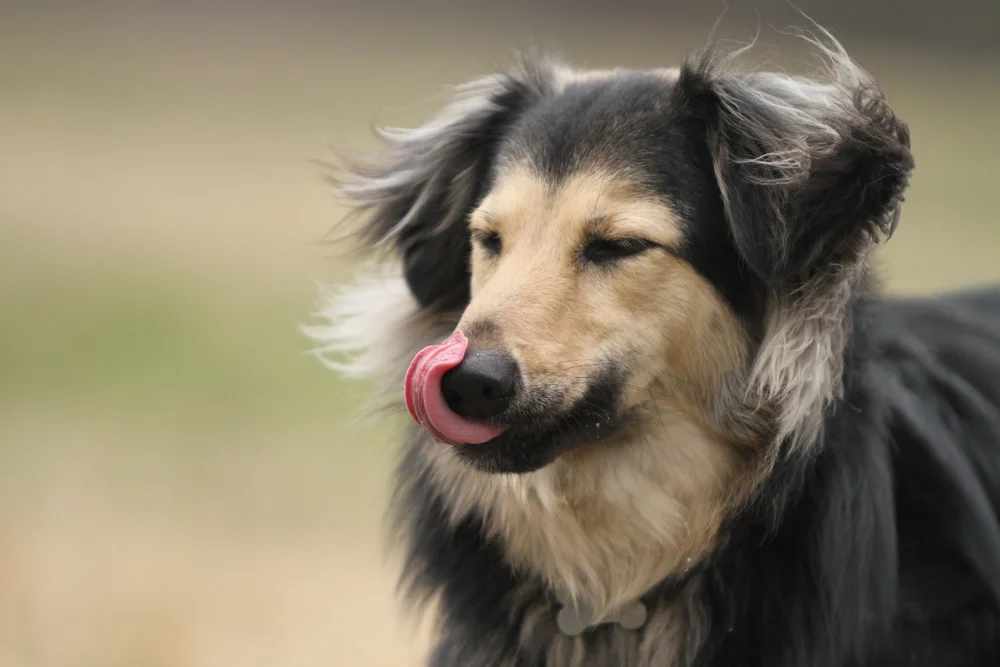
Lip licking
Displacement Behavior
The language of displacement helps dog calm down and to focus. If a dog gets nervous about a perceived threat approaching, he will make efforts to turn the danger away from the harmful intent. The threatening person or animal is meant to be distracted by the dog’s behavior, like snipping or scratching the ground. This behavior typically occurs when a dog requires an outlet to vent and includes actions like:
Nose licking
Chattering teeth
Sniffing
Spinning
Shaking
Pacing
Sneezing
Yawning
Relaxed and Approachable
If any activities are taking place in its immediate environment, but it’s unconcerned and unaffected, such a dog is usually approachable. The dog here can be comfortable and relaxed. Nevertheless,if the dog is new to you, come up to him slowlyand carefully. A friendly dog shows these signs:
Head high
Mouth open with slight tongue sticking out
Tail normal or wagging
Ears up
Inviting belly rub
Relaxed facial expression
Blinking eyes
Aggression with Dominance
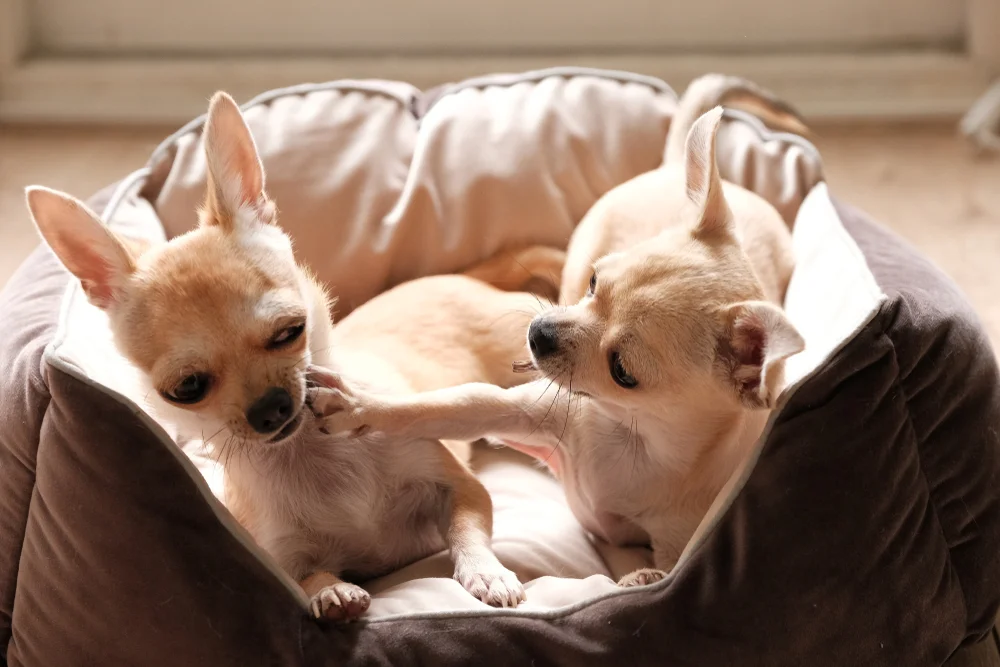
To keep itself safe, a dog must protect itself from a real or perceived threat; it will demonstrate defensively or offensively. This language is evident when he’s trying to make a threat to stay far away. If the perceived threat doesn’t retreat from the dog’s space, the defensive conduct becomes offensive. It’s usually pretty easy to understand and recognize this behavior with the following signs:
Ears forward
Tail raised and stiff
Nose and forehead wrinkled
Curled lips
Visible teeth or grinning
Mouth opened
Growling
Stiff legs
Air snapping
Playfulness
Dogs love playing. It could go with enthusiastic barking or pouncing. These indications can be used to show that any rough conduct that may have come before is not intended to pose a challenge or a threat.
Tail up and wagging
Wiggling rear
Upward ears
Dilated pupils
Front end lowered paw
Opened mouth with exposed tongue
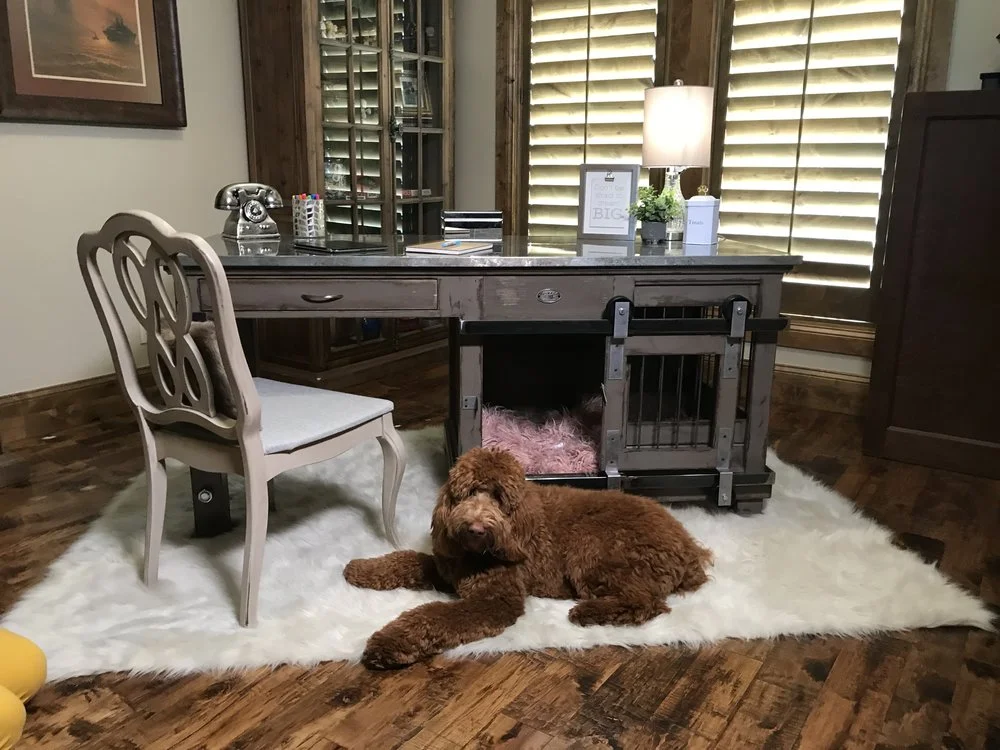
We are Kennel and Crate and we are aware of the dog breeds and will recommend you the best designer dog kennels for your dog. For helping the dog relieving stress and fear, the right training is required and a place for your dog to feel safe.